

You're moving in with your partner, and amidst all the excitement, you have to address a not-so-romantic topic: finances.
You must understand each other's financial contributions, goals, and plans for those unexpected challenges.
There's no one-size-fits-all solution, but here are financial topics to discuss before you move in.
One of the first moving in together finances conversations you need to have is about your budget that suits your financial needs and circumstances.
You have to lay it all out on the table. Income, debt, monthly expenses—they're all part of the big financial picture that you're now sharing.
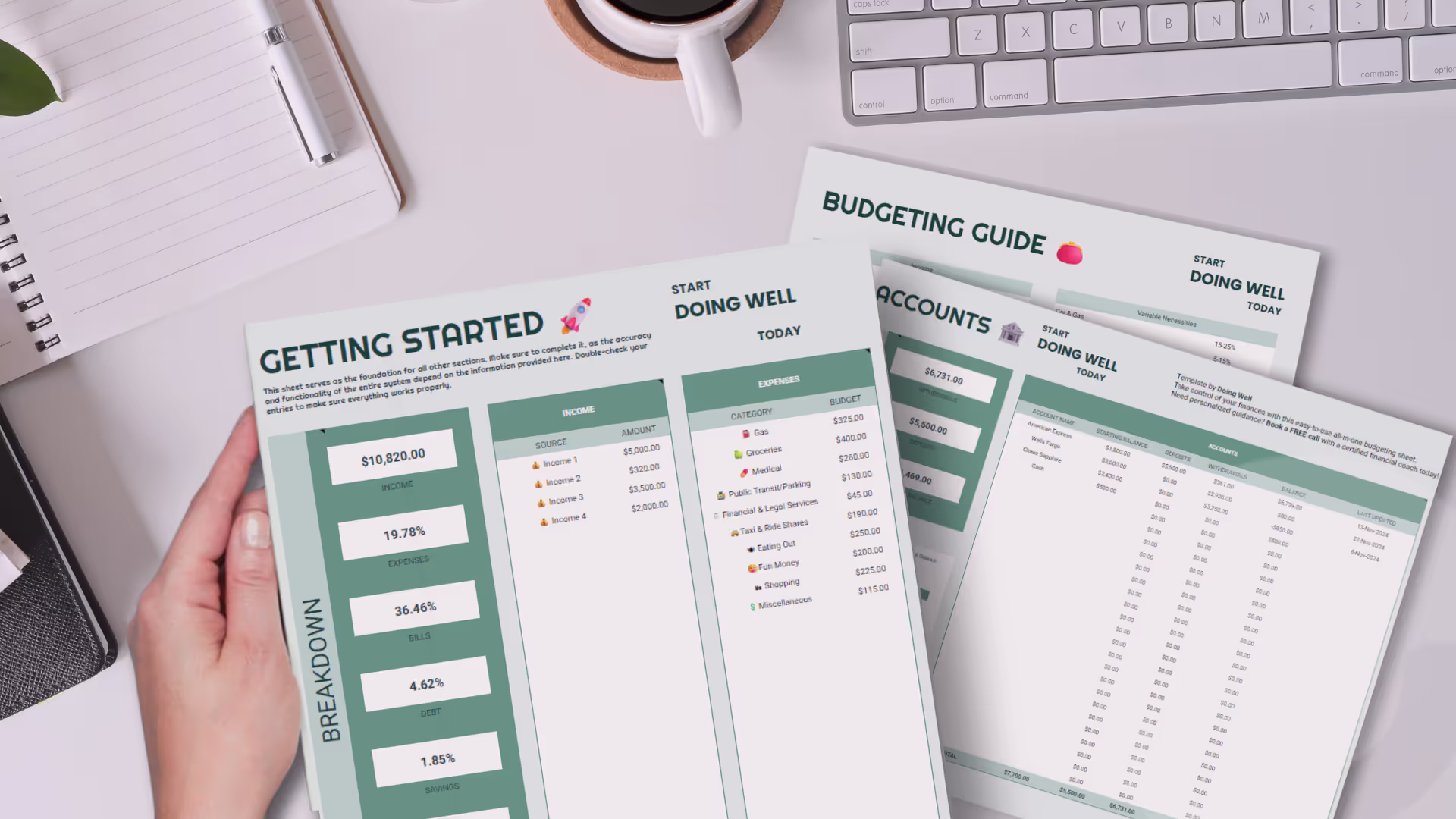
Organize your budget into fixed, variable, and negotiable expenses. Budgeting for couples works best when both partners see the full picture — income, debt, and monthly expenses laid out together. You'll be able to see where your money is going and identify areas where you can save. Download our budgeting guide to learn what items fall into each one.
Smart cohabitation financial planning starts with deciding whether renting or buying makes sense for where you both are right now.
If you're not planning on staying in the same place for 3+ years, renting might be a better fit. It offers flexibility without the burden of maintenance costs or property taxes.
On the flip side, buying a home is an investment that can pay off over time. It can provide stability and a sense of ownership. However, it also comes with significant upfront costs, such as down payment, closing costs, and possibly renovations.
Another factor to consider is whether you will be co-owners or one person will be the sole owner. This decision can have legal and financial implications, so discuss it thoroughly.
Figuring out a system for splitting bills with your partner early on prevents resentment from building up later. Here are some options to consider:
This is the most straightforward approach. Both partners contribute equally towards shared expenses such as rent, groceries, and utilities.
This may work if you and your partner have similar incomes, but it can become complicated when expenses vary each month. Plus, there's no guarantee that one person won't end up paying more than the other.
In this scenario, each partner contributes a percentage of their income towards shared expenses. For example, if one person earns 60% of the total household income, they contribute 60% toward bills.
Merging finances as a couple isn't all-or-nothing — there are a few structures worth considering. Some couples choose to combine their finances completely, while others prefer to keep them separate. Here are some options to consider:
This approach means all income and expenses are shared, making it easier to manage bills and keep track of spending.
With this method, each partner maintains their account and contributes to shared expenses as agreed upon.
Some couples opt for a hybrid system with a joint account for shared expenses and maintain individual accounts for personal spending.
Your credit score can affect your ability to rent, buy a home, or even secure a loan. It's important to have an honest conversation about your financial history and work together to improve credit issues.
Check each other's debt-to-income ratio and credit reports. If one person has a less-than-stellar credit score, it could impact your joint financial decisions.
Some of the most important financial questions for couples to answer together involve long-term goals — not just who pays what this month. Here are some suggestions:
It's essential to have a plan for both short-term and long-term savings. Diversifying your investments, including stocks, mutual funds, and real estate assets, can be beneficial. However, do your research and consult with a financial advisor before making any significant investment decisions.
No one wants to think about the possibility of a breakup, but it's important to have a plan in case things don't work out. Here are some questions to consider:
Having these discussions and a contingency plan for potential scenarios can save you from added stress and financial strain in the future.
Discussing a prenuptial agreement when moving in together isn't pessimistic — it's practical, especially if one partner owns property or carries significant debt. It's essential to have open and honest discussions about this topic and consult with a lawyer if necessary.
Moving in together is an exciting step in a relationship, symbolizing a new level of commitment and partnership. At Doing Well, we recognize its significance and the financial considerations it entails. We're dedicated to helping you manage these smoothly, ensuring your joint financial well-being.
Here's how we can help:
Moving in together brings both joy and challenges, particularly when it comes to finances. Doing Well is here to empower you and your partner to build a solid financial foundation for your life together. You can book a free call here.